
AI Debate in the Hobby
Lately, I’ve noticed an increasing trend in our hobby: self-appointed authorities declaring absolute rules about what tools others should or should not use. Most recently, the target of this authority has been artificial intelligence (AI).
I want to be clear: this isn’t written with ill will. It comes from genuine frustration and deep concern for the future of creativity in our community. New hobbyists in particular are prone to influence, and it troubles me to see them pressured into adopting narrow ways of thinking, or worse, discouraged from exploring their own path.
The truth is simple: AI is not an enemy. Like any tool, whether it is a camera, a website, or a paintbrush, AI is only as helpful or as harmful as the hands that guide it. It does not create skill, nor does it erase it. It does not replace research, but it can expand where research leads. And it does not dictate creativity. It offers pathways for us to shape and refine according to our own vision.
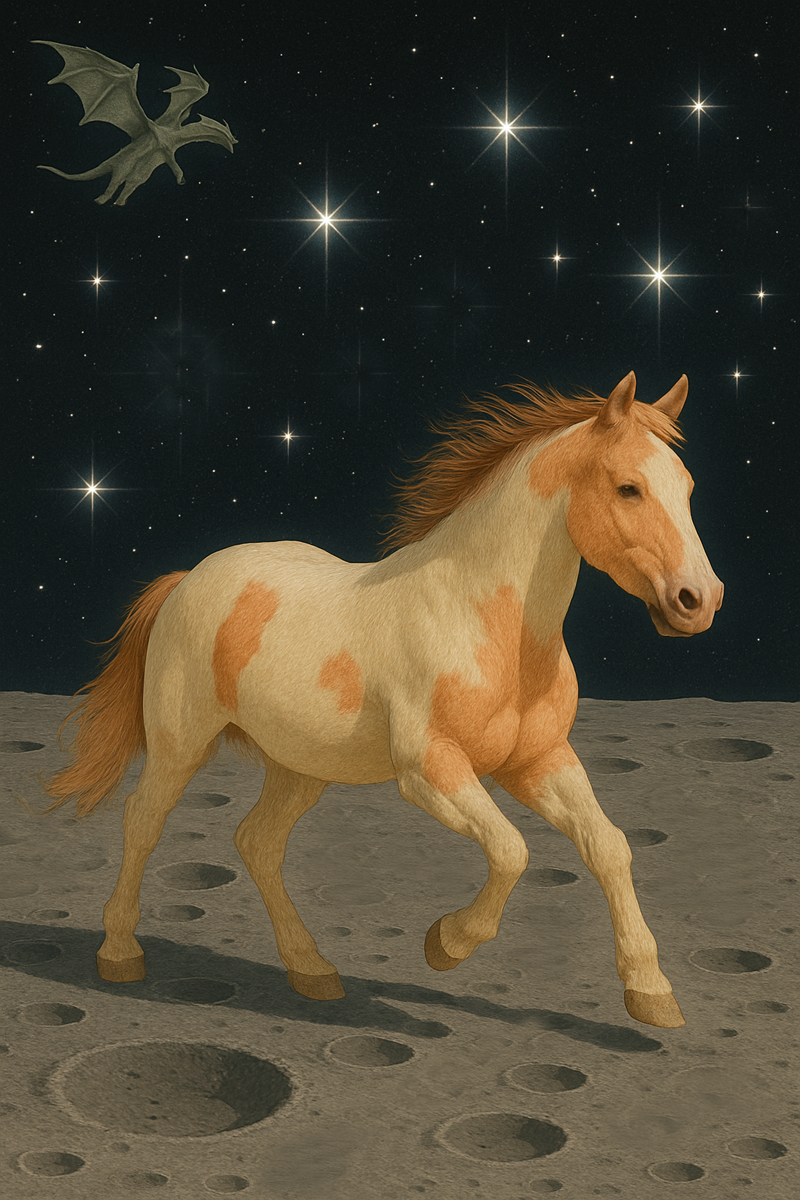
Photo for fun and illustration. Remember fun?
Why the Hatred Toward AI?
One of the things that has struck me most in watching these debates is not just the opposition to AI, but the level of hostility that comes with it. The language being used isn’t just skeptical or cautious. It is outright aggressive, even hateful. And that begs the question: why?
The answer, I believe, is fear.
Fear of losing control or status. In every hobby there are people who rise to positions of influence, whether through knowledge, experience, or simply loud voices. For them, AI can feel like a threat. A newcomer who can generate references or test ideas quickly with AI no longer has to rely on those who previously held all the keys. The authority that once made certain voices “essential” suddenly does not carry as much weight. That loss of status can feel deeply unsettling, and fear of irrelevance often comes out as hostility.
Fear of change. Our hobby is rooted in traditions such as research, realism, and painstaking study of horses. For many, AI feels like a disruptive outsider that does not belong in that carefully curated world. Humans are naturally resistant to change, and when something new arrives that challenges “the way it has always been done,” the instinctive reaction is to push back hard. Aggression becomes a defense mechanism against uncertainty.
Fear of misuse. There are also genuine concerns. Some worry that AI will encourage laziness or flood the community with inaccurate depictions and half-baked work. Instead of addressing that constructively by teaching responsible use, setting examples, or encouraging critical thinking, the response has been to swing to the extreme with outright bans and condemnations. The thinking seems to be, “If we eliminate the tool, we eliminate the risk.” But history shows that no tool can be un-invented, and bans rarely stop curiosity.
Fear of losing belonging. Strong emotions also tie into group identity. By loudly rejecting AI, some people demonstrate loyalty to the “pure” or “authentic” path of the hobby. It becomes less about the tool itself and more about which side you are on. The more aggressively they denounce AI, the more securely they signal that they belong to the “right” group. This tribalism turns difference of opinion into a moral battle, where using AI is painted as a betrayal of the community.
All of these fears are very human. Instead of being admitted as fear, however, they often transform into anger. Anger feels powerful, while fear feels vulnerable. The result is that the language escalates from skepticism, to hostility, and eventually to pure hate.
The irony is that this hatred has little to do with AI itself. It is not the tool that frightens people, but what it represents: change, loss of control, and the unknown. Yet none of those things are unique to AI. They have been part of every technological step forward in human history.
This is why the debate feels so heated and why the backlash feels so personal. If we strip away the anger and look honestly at the root, it is fear. The healthiest way for a community to deal with fear is not to attack or suppress. The better path is to adapt, to learn, and to grow together.
Intimidation Masquerading as Authority
What’s particularly troubling is the way some individuals attempt to control the narrative around AI. They do not simply voice their personal reservations, they pressure others to conform. They frame their disapproval as if it were kindness, casting themselves as benevolent guardians warning the rest of us against “corruption” or “inauthenticity.” Yet no one asked them to be the arbiters of morality in this hobby.
This type of intimidation masquerading as authority does real harm. It discourages experimentation, silences new voices, and makes creators second-guess their own paths to inspiration. It tells people that the “right” way to create is only the way approved by those who have anointed themselves as gatekeepers. That is not community; that is control.
Responsibility Lies With the User
AI is no different from any other resource we engage with, whether it is books, social media, or a conversation with peers. The input we provide and the feedback we choose to accept determine whether our experience is enriching or destructive. It all comes down to the people.
Choosing Trust Over Fear
Hatred and fear do not build stronger communities. Trust does. Respect does. Encouraging individuality does.
Shutting down these tools, banning discussion, or threatening cancellation of anyone who explores them is not guidance. It is control. And control disguised as “helpfulness” is not healthy for a hobby that thrives on diversity, individuality, and freedom of expression.
I believe our community is strongest when we trust people to think for themselves. We do not all have to agree, but we should all have the right to choose our own methods, our own inspirations, and our own tools.
So to newcomers especially: do not be intimidated by loud voices that claim authority. Learn, explore, experiment, and decide for yourself. Creativity belongs to you.
Your real power is your imagination.
Responsibility Lies With the People
A common criticism of AI is that it is just “copying other people” and will put artists out of work. But copying is not new in this hobby—or in art more broadly. Creativity itself remains an endless well of individual talent, and AI is simply one more tool to explore that well.
People have long copied from photographs, directly borrowed structures or characteristics from works already created, or even scanned and re-printed models that were never theirs to begin with. None of this began with AI, and plagiarism has existed for as long as human history can remember.
The real problem has never been the system or the tool—it has always been people. How a tool is used reflects the choices of the user. That is true today with AI, just as it is true across many other aspects of our society. Responsibility rests with individuals.
Any conversation should be grounded in understanding and responsibility, not in fear or attempts to control others. People need to set aside anger, look inward, and recognize that much of the hostility often stems from themselves—not from AI.
Thoughtful, fact-based opposing views are welcome. Submit a post if you’d like yours added to the discussion thread in our group [facebook.com/groups/modelhorsecustomizers]. What is not welcomed are hostile reactions, personal attacks, or bullying behavior. The point is open and respectful dialogue, not forced conformity. Respect has always been a required element for this group.